
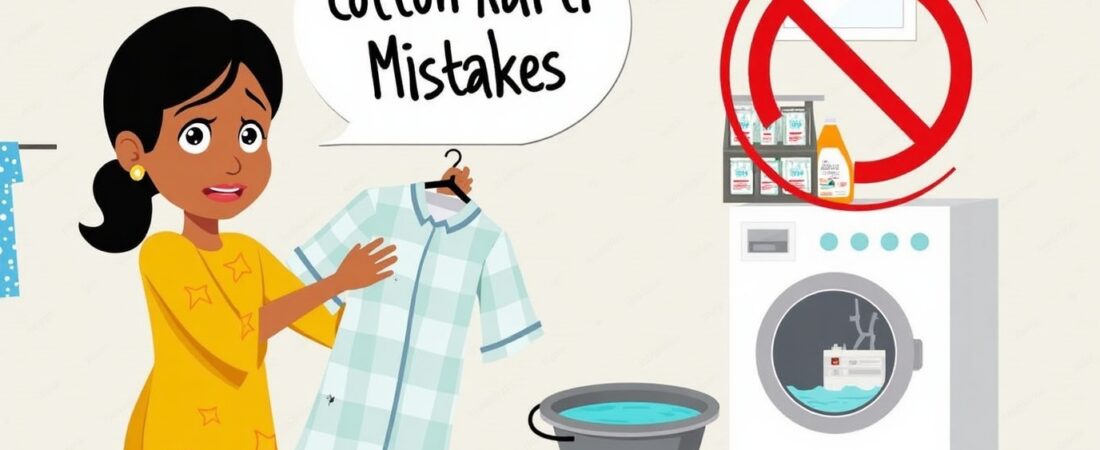
You bought the perfect cotton kurti. The fit was flawless. The print was vibrant. The fabric felt like a gentle hug against your skin. You wore it once, loved every second, and tossed it into the laundry basket with a satisfied smile.
Two days later, you pulled it out of the wash. And your heart sank.
What was once a graceful knee-length kurti now barely covers your waist. The sleeves that elegantly grazed your elbows now sit awkwardly above them. The relaxed, comfortable fit is now a clingy, uncomfortable squeeze. Your perfect kurti has become a crop top you never asked for.
Sound familiar? You’re not alone.
Every day, thousands of women in India open their washing machines to find their favorite cotton kurtis have shrunk, faded, or lost their shape. And the worst part? Most of them don’t know why. They blame the brand. They blame the quality. They blame “cheap cotton.”
But here’s the truth that nobody tells you: Your cotton kurtis are shrinking because of one simple mistake that 90% of women make. And the fix takes less than 5 minutes.
At Aureyaa, we craft cotton kurtis in Jodhpur, Rajasthan using authentic handloom and block-printing techniques. These are kurtis designed to last for years — not weeks. But even the finest cotton can’t survive a fundamental misunderstanding about how cotton behaves.
In this guide, I’m going to reveal the killer mistake, explain exactly why it destroys your kurtis, and give you a simple, foolproof system to keep your Aureyaa cotton kurtis soft, bright, and fitting perfectly for years to come.
Let’s save your wardrobe.
The Killer Mistake Revealed
Here’s the mistake: You’re washing your cotton kurtis in hot water. Or drying them with heat. Or both.
It seems so innocent, doesn’t it? Hot water feels cleaner. The washing machine’s “warm” setting seems gentle enough. And tossing everything into the dryer is just… convenient.
But cotton is a natural fiber with a secret: it hates heat. And when cotton meets heat, it contracts. Tightens. Shrinks. Every single time.
The Science (Simplified)
Cotton fibers are like tiny springs. When they’re woven into fabric, they’re stretched and tensioned into shape. Hot water and heat from dryers cause these fibers to relax and return to their original, shorter state. This is called fiber relaxation shrinkage.
But it gets worse. Hot water also:
- Strips natural oils from cotton fibers, making them brittle and prone to tearing
- Fades dyes and prints faster than cold water ever could
- Weakens seams and stitching by causing uneven contraction across the fabric
- Distorts the weave, creating that annoying “twisted” look where one side seems longer than the other
The result? A kurti that looks old, faded, misshapen, and three sizes smaller — after just a few washes.
Pre-Shrunk vs. Regular Cotton: Does It Matter?
Some cotton kurtis are labeled “pre-shrunk.” This means the manufacturer has already subjected the fabric to heat and washing processes to remove most of the shrinkage potential before cutting and sewing.
But here’s what brands don’t advertise: Pre-shrunk doesn’t mean shrink-proof.
Pre-shrunk cotton can still shrink an additional 2-3% with hot water washing. Regular cotton? Up to 10% or more. On a kurti that’s 40 inches long, that’s a 4-inch loss. The difference between graceful and awkward.
At Aureyaa, we pre-shrink our cotton fabrics before crafting our kurtis. But we still beg our customers: Wash cold. Air dry. Because even pre-shrunk cotton deserves respect.
The Hidden Damage You Can’t See
The most dangerous part? You don’t always see the damage immediately. A kurti washed in warm water might look fine after 3 washes. But by wash 5, the cumulative damage hits. The color looks dull. The fit feels “off.” The fabric seems thinner. And then one day, you realize your favorite kurti has become unwearable.
The killer mistake doesn’t kill your kurti in one wash. It kills slowly. And that’s why so many women never connect the dots.
The 5-Minute Fix: Proper Cotton Kurti Washing
Now for the good news. Preventing shrinkage is incredibly simple. You don’t need special detergents, expensive equipment, or hours of hand-washing labor. You just need to follow a 5-step system that takes under 5 minutes to set up.
Step 1: Check the Care Label (30 seconds)
Every Aureyaa cotton kurti comes with a care label. Read it. Follow it. The label isn’t a suggestion — it’s a survival guide written by the people who crafted your kurti.
Look for these symbols:
- Machine wash, cold (30°C) — The sweet spot for cotton
- Hand wash — For delicate prints, embroidery, or lightweight mulmul cotton
- Do not tumble dry — The universal symbol for “air dry only”
- Iron at medium temperature — Hot irons scorch cotton fibers
If the label says “cold wash,” trust it. The 30 seconds you spend reading the label will save you hours of regret later.
Step 2: Use Cold or Lukewarm Water (No extra time — just a setting change)
This is the single most important step. Set your washing machine to cold water (30°C or below) or use cold tap water for hand washing.
Cold water cleans cotton perfectly well. Modern detergents are formulated to work effectively in cold water. And cold water preserves:
- Fiber integrity (no heat = no shrinkage)
- Print vibrancy (colors stay true)
- Fabric softness (natural oils stay intact)
- Seam strength (even contraction across the garment)
The exception: If your kurti is heavily soiled (stains, mud, food spills), pre-treat the stain with a cold-water stain remover before washing. Never use hot water to “power clean” a cotton kurti. The damage isn’t worth it.
Step 3: Turn Kurtis Inside Out (30 seconds)
Before washing, turn every cotton kurti inside out. This one action protects:
- Prints and colors from direct friction against other clothes and the washing machine drum
- Embroidery and embellishments from snagging and pulling
- The outer surface from pilling and abrasion
For printed kurtis, this step is non-negotiable. Block prints, screen prints, and digital prints all benefit from inside-out washing. The print faces inward, protected by the fabric itself.
Step 4: Use Mild Detergent — No Bleach, No Harsh Chemicals (1 minute)
Choose a mild, pH-neutral liquid detergent. Powder detergents can leave residue on cotton fibers, making them stiff over time. Liquid detergents dissolve completely and rinse out cleanly.
Avoid:
- Bleach (destroys cotton fibers and fades colors permanently)
- Fabric softeners (coat fibers with chemicals that reduce breathability)
- Harsh stain removers with chlorine or ammonia
- Strong detergents designed for “heavy duty” cleaning
For Aureyaa’s hand-block printed kurtis, we recommend a mild liquid detergent or even a gentle baby shampoo for the first 2-3 washes. This helps set the natural dyes without chemical interference.
Step 5: Gentle Cycle or Hand Wash (Machine setting — no extra time)
Set your washing machine to the gentle or delicate cycle. This uses slower agitation, less spinning force, and shorter wash times — all of which reduce stress on cotton fibers.
For especially delicate kurtis (lightweight mulmul, heavily embroidered pieces, or first washes of new block-printed kurtis), hand washing is worth the 5-minute investment:
- Fill a bucket with cold water
- Add a small amount of mild detergent
- Submerge the kurti and gently swish for 2-3 minutes
- Let it soak for 5 minutes (no scrubbing, no twisting)
- Rinse thoroughly in cold water until soap-free
Never wring a cotton kurti. Wringing twists fibers, stretches seams, and creates permanent creases. Instead, gently squeeze excess water by pressing the fabric between your palms.
Step 6: Air Dry in Shade (2 minutes to hang, nature does the rest)
This is where most women undo all their good washing work. They wash perfectly in cold water… and then toss the kurti into a hot dryer.
Never machine dry a cotton kurti. The heat of a tumble dryer is even more damaging than hot water washing. It causes rapid, aggressive shrinkage and weakens fibers with every cycle.
The right way to dry:
- Shake gently to remove excess water and smooth wrinkles
- Hang on a padded hanger or lay flat on a drying rack
- Dry in shade, never direct sunlight (sun fades colors and weakens fibers)
- Ensure good air circulation — a well-ventilated room or balcony works best
For printed kurtis, flat drying is ideal. Hanging can cause the wet fabric to stretch under its own weight, distorting the shape. Lay flat on a clean towel, reshape to original dimensions, and let air do the work.
Drying time: 4-6 hours in normal humidity. Overnight drying is perfect — wash in the evening, wear the next morning.
Drying Mistakes That Ruin Kurtis
Even women who wash correctly often make these drying mistakes. Let’s fix them now.
Mistake 1: The Tumble Dryer Trap
The convenience of a dryer is undeniable. But for cotton kurtis, it’s a death sentence. The combination of heat and mechanical tumbling causes:
- Rapid shrinkage (10-15% in one cycle)
- Fiber breakage (the fabric becomes thin and weak)
- Seam distortion (the kurti twists and loses its shape)
- Print cracking (heat makes printed surfaces brittle)
The fix: Unplug the dryer for your kurtis. Seriously. Create a dedicated drying space — a foldable drying rack, a clothesline in a shaded balcony, or even a shower rod in a ventilated bathroom. The 2 minutes it takes to hang a kurti saves you from buying a replacement.
Mistake 2: Direct Sunlight Drying
“Sunlight kills germs” is true. But sunlight also kills colors. Direct UV exposure fades even the most colorfast dyes within weeks. Block prints, natural dyes, and dark colors are especially vulnerable.
The fix: Dry in shade or indirect light. If you must dry outdoors, choose a spot under a roof overhang, behind a sheer curtain, or on the side of your balcony that gets morning light (gentler than afternoon sun).
Mistake 3: Hanging Wet Kurtis by the Shoulders
A soaking wet cotton kurti is heavy. Hanging it by the shoulders on a thin hanger causes the shoulder seams to stretch and distort. Over time, you’ll get those annoying “shoulder bumps” that never iron out.
The fix: Use wide, padded hangers. Or better yet, dry lightweight kurtis on hangers and lay heavier ones flat. For long kurtis, fold them over the hanger bar rather than hanging by the shoulders — this distributes weight evenly.
Ironing & Storage: The Long-Term Care
Washing and drying correctly is 80% of the battle. But ironing and storage mistakes can undo your efforts over time.
Ironing Temperature: Medium Heat, Inside Out
Cotton needs ironing to look crisp, but the temperature matters:
- Medium heat (150°C) — The safe zone for cotton
- Iron inside out — Especially for printed kurtis, this protects the print surface
- Use a pressing cloth — A thin cotton cloth between the iron and your kurti prevents shine marks and direct heat damage
- Iron slightly damp — Cotton irons best when slightly moist. If fully dry, use a spray bottle to mist lightly before ironing
Never iron a completely dry cotton kurti on high heat. This scorches fibers, creates irreversible shine marks, and can melt synthetic thread in seams.
For Aureyaa’s block-printed kurtis, we recommend ironing inside out with a pressing cloth. This preserves the hand-printed texture and prevents the iron from “flattening” the natural irregularities that make block prints beautiful.
Storage Mistakes: Hanging Heavy Kurtis
Storing cotton kurtis seems simple, but there are traps:
Don’t hang heavy cotton kurtis for months. The weight stretches the fabric, especially at the shoulders. Gravity is a slow but relentless enemy.
Don’t store in plastic covers. Plastic traps moisture, leading to mildew and musty smells. Cotton needs to breathe.
Don’t fold and stack under heavy items. The weight of other clothes creates permanent creases that are hard to iron out.
The right way to store cotton kurtis:
- Fold neatly along natural seams
- Store in cotton or muslin bags (breathable, protective)
- Place in a cool, dry drawer or shelf
- Use cotton/silica gel sachets to absorb moisture in humid climates
- Rotate hanging vs. folding — Hang kurtis you’ll wear this week, fold long-term storage pieces
Seasonal Storage Tips
For kurtis you won’t wear for months (summer cottons stored in winter, or vice versa):
- Wash and dry completely before storing (stains set over time, dampness causes mildew)
- Fold with acid-free tissue paper between layers
- Store in a breathable cotton storage bag or old pillowcase
- Add neem leaves or lavender sachets for natural moth protection
- Check every 2-3 months for moisture or pest issues
Special Care for Printed & Embroidered Kurtis
Printed and embroidered cotton kurtis need extra attention. The base fabric is cotton, but the surface treatments are more delicate.
Printed Kurtis: Protecting the Art
Block prints, screen prints, and digital prints on cotton are vulnerable to:
- Friction (causes print to crack or peel)
- Hot water (fades natural dyes faster)
- Direct ironing (melts or flattens print surfaces)
Care rules for printed cotton kurtis:
- Always wash inside out
- First 2-3 washes: Hand wash separately in cold water with mild detergent
- Never scrub the printed surface
- Iron inside out with a pressing cloth
- Store folded with print side protected (not facing outward in a stack)
For Aureyaa’s hand-block printed kurtis from Jodhpur, the first wash is critical. Natural dyes (indigo, madder, turmeric-based colors) may release slight excess dye in the first wash. This is normal and actually sets the color for future washes. Wash separately the first time to prevent color transfer.
Embroidered Kurtis: Gentle Handling
Embroidery adds weight and creates stress points on cotton fabric. Machine washing can cause:
- Thread tangling and pulling
- Seams weakening around embroidery areas
- Beads or mirrors detaching
Care rules for embroidered cotton kurtis:
- Hand wash only, always
- Use minimal detergent — embroidery threads can absorb soap and become stiff
- Never wring — gently press water out
- Dry flat, never hanging (the weight of wet embroidery stretches the fabric)
- Store flat or lightly folded, never hung by shoulders
The “Rescue” Section: Can You Fix a Shrunken Kurti?
Here’s the honest truth: Most shrinkage is permanent. Once cotton fibers have contracted and set in their new shape, there’s no reliable way to fully restore the original dimensions.
But for mild shrinkage (1-2 sizes too small, not unwearable), there are two rescue methods worth trying:
Method 1: The Hair Conditioner Soak (For Slightly Shrunk Kurtis)
This works by relaxing cotton fibers enough to gently stretch them back:
- Fill a bucket with lukewarm water (not hot — lukewarm)
- Add 2-3 tablespoons of hair conditioner (any brand, plain formula)
- Soak the shrunken kurti for 15-20 minutes
- Gently squeeze out water (don’t wring)
- Lay flat on a towel
- Gently stretch the fabric back to original dimensions while damp
- Hold in place with weights or pins and let air dry completely
Success rate: 40-60% for mild shrinkage. Works best on kurtis that shrunk from hot water, not dryer heat.
Method 2: The Steam Stretch (For Shape Distortion)
If your kurti didn’t shrink much but lost its shape (twisted seams, uneven hem):
- Hang the kurti in a steamy bathroom (hot shower running) for 10-15 minutes
- The steam relaxes fibers without direct water contact
- While damp and warm, gently pull and reshape the fabric
- Hang straight to dry, using clips to hold the hem even
Success rate: 50-70% for shape issues, less effective for actual shrinkage.
When to Accept Defeat (And Repurpose)
If a kurti has shrunk beyond rescue, don’t throw it away. Repurpose:
- Crop top or waist-length kurti — Pair with high-waist skirts or palazzos
- Kids’ wear — A shrunken adult kurti becomes a perfect dress for a 6-10 year old
- Home decor — Beautiful block-printed cotton makes excellent cushion covers or table runners
- Fabric for crafts — Cut into patches, scrunchies, or fabric jewelry
The lesson: Prevention is infinitely easier than cure. The 5-minute washing system above will save you from ever needing the rescue section.
Conclusion: Your Kurtis Deserve Better
Let’s recap the killer mistake and the fix:
The Mistake: Washing cotton kurtis in hot water and/or drying them with heat.
The Fix:
- Check the care label (30 seconds)
- Wash in cold water (setting change, no extra time)
- Turn inside out (30 seconds)
- Use mild detergent (1 minute)
- Gentle cycle or hand wash (machine setting)
- Air dry in shade (2 minutes to hang)
Total active time: Under 5 minutes. Result: Kurtis that stay soft, bright, and perfectly fitted for years.
At Aureyaa, we pour craftsmanship into every cotton kurti we create in Jodhpur, Rajasthan. From selecting the right cotton weave to hand-block printing with natural dyes, every step is designed to produce a kurti that becomes a wardrobe staple — not a one-wear wonder.
But even the finest craftsmanship needs your partnership. The washing machine is where beautiful kurtis go to die… or to thrive. The choice is yours, and it takes less time than brewing your morning tea.
Ready to build a kurti wardrobe that lasts?
Shop Aureyaa’s Cotton Kurti Collection →
Every kurti in our collection comes with a care card and our promise: Crafted to last, designed to be loved for years.